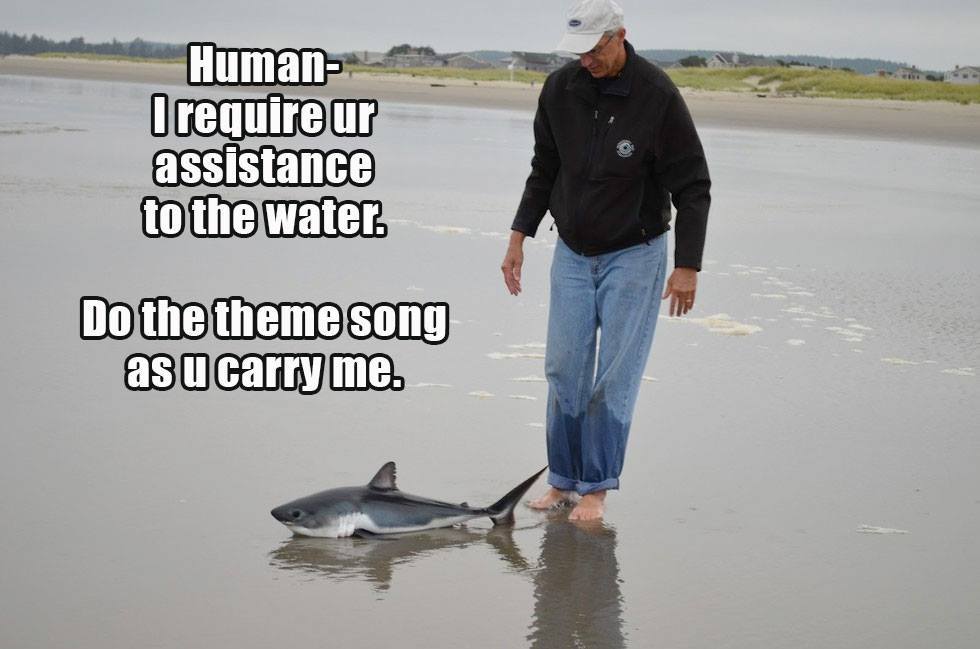
PUT MAH BABEH BACK IN WATER AND HUM THE THEME SONG PLS.
Originally shared by Epic Geekdom
Be a #shark Today :p
Remember to LiKe Epic Geek kingdom
#jaws #humor #meme #lol #lmao #funny #geek #nerdy
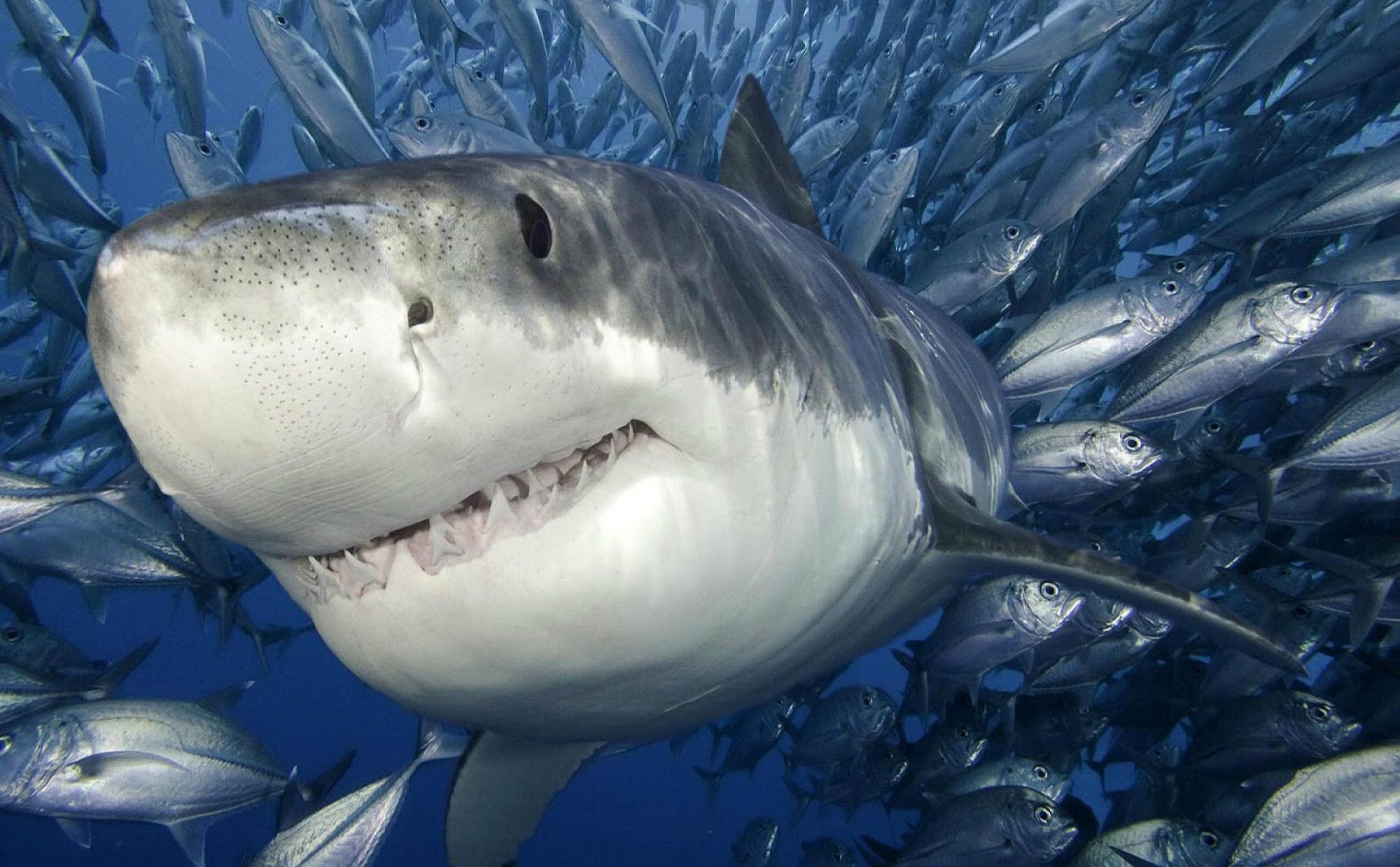
PUT MAH BABEH BACK IN WATER AND HUM THE THEME SONG PLS.
Originally shared by Epic Geekdom
Be a #shark Today :p
Remember to LiKe Epic Geek kingdom
#jaws #humor #meme #lol #lmao #funny #geek #nerdy

O dis catte, Bobbi Jo Woods….
Dis is me rite nao.
h/t Jools Laufeyson
Originally shared by LoL Gif
#cat #sandal #lol
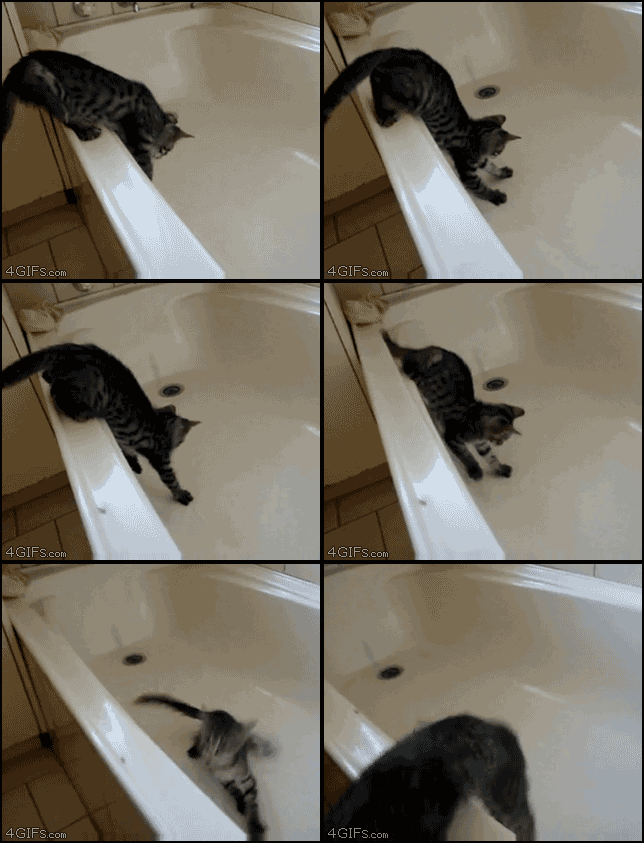
THIS is how I feel when conversation turns emotionally weird and I have no idea what to say.
Git it off of me, git me outta this!
Gud night.
Originally shared by Akansha Gautam
When a cat discovers water for the first time…
Cat communication is the transfer of information by one or more cats that has an effect on the current or future behaviour of another animal, including humans. Cats use a range of communication modalities including visual, auditory, tactile, chemical and gustatory.
The communication modalities used by domestic cats have been affected by domestication.
Vocalizations
Cat vocalisations have been categorised according to a range of characteristics.
Schötz categorised vocalizations according to 3 mouth actions: (1) sounds produced with the mouth closed (murmurs), including the purr, the trill and the chirrup, (2) sounds produced with the mouth open and gradually closing, comprising a large variety of miaows with similar vowel patterns, and (3) sounds produced with the mouth held tensely open in the same position, often uttered in aggressive situations (growls, yowls, snarls, hisses, spits and shrieks).
Brown et al. categorised vocal responses of cats according to the behavioural context: (1) during separation of kittens from mother cats, (2) during food deprivation, (3) during pain, (4) prior to or during threat or attack behavior, as in disputes over territory or food, (5) during a painful or acutely stressful experience, as in routine prophylactic injections and (6) during kitten deprivation. Less commonly recorded calls from mature cats included purring, conspecific greeting calls or murmurs, extended vocal dialogues between cats in separate cages, “frustration” calls during training or extinction of conditioned responses.
Miller classified vocalisations into 5 categories according to the sound produced: the purr, chirr, call, meow and growl/snarl/hiss.
Purr
The purr is a continuous, soft, vibrating sound made in the throat by most species of felines. Domestic cat kittens can purr as early as two days of age. This tonal rumbling can characterize different personalities in domestic cats. Purring is often believed to indicate a positive emotional state, but cats sometimes purr when they are ill, tense, or experiencing traumatic or painful moments.
The mechanism of how cats purr is elusive. This is partly because cats do not have a unique anatomical feature that is clearly responsible for the vocalization. One hypothesis, supported by electromyographic studies, is that cats produce the purring noise by using the vocal folds and/or the muscles of the larynx to alternately dilate and constrict the glottis rapidly, causing air vibrations during inhalation and exhalation. Combined with the steady inhalation and exhalation as the cat breathes, a purring noise is produced with strong harmonics. Purring is sometimes accompanied by other sounds, though this varies between individuals. Some may only purr, while other cats include low level outbursts sometimes described as “lurps” or “yowps”.
Domestic cats purr at varying frequencies. One study reported that domestic cats purr at average frequencies of 21.98 Hz in the egressive phase and 23.24 Hz in the ingressive phase with an overall mean of 22.6 Hz. Further research on purring in four domestic cats found that the fundamental frequency varied between 20.94 and 27.21 Hz for the egressive phase and between 23.0 and 26.09 Hz for the ingressive phase. There was considerable variation between the four cats in the relative amplitude, duration and frequency between egressive and ingressive phases, although this variation generally occurred within the normal range.
One study on a single cheetah (Acinonyx jubatus) showed it purred with an average frequency of 20.87 Hz (egressive phases) and 18.32 Hz (ingressive phases). A further study on four adult cheetahs found that mean frequencies were between 19.3 Hz and 20.5 Hz in ingressive phases, and between 21.9 Hz and 23.4 Hz in egressive phases. The egressive phases were longer than ingressive phases and moreover, the amplitude was greater in the egressive phases.
It was once believed that only the cats of the genus Felis could purr. However, felids of the genus Panthera (tigers, lions, jaguars and leopards) also produce sounds similar to purring, but only when exhaling. The subdivision of the Felidae into ‘purring cats’ on the one hand and ‘roaring cats ’ (i.e. non-purring) on the other, originally goes back to Owen (1834/1835) and was definitely introduced by Pocock (1916), based on a difference in hyoid anatomy. The ‘roaring cats’ (lion, Panthera leo; tiger, P. tigris; jaguar, P. onca; leopard, P. pardus) have an incompletely ossified hyoid, which according to this theory, enables them to roar but not to purr. On the other hand, the snow leopard (Uncia uncia), as the fifth felid species with an incompletely ossified hyoid, purrs (Hemmer, 1972). All remaining species of the family Felidae (‘purring cats’) have a completely ossified hyoid which enables them to purr but not to roar. However, Weissengruber et al. (2002) argued that the ability of a cat species to purr is not affected by the anatomy of its hyoid, i.e. whether it is fully ossified or has a ligamentous epihyoid, and that, based on a technical acoustic definition of roaring, the presence of this vocalization type depends on specific characteristics of the vocal folds and an elongated vocal tract, the latter rendered possible by an incompletely ossified hyoid.
Meow
The meow is one of the most widely known vocalizations of domestic kittens. It is a call apparently used to solicit attention from the mother.
Adult cats commonly vocalise with a “meow” (or “miaow”) sound, which is onomatopoeic. The meow can be assertive, plaintive, friendly, bold, welcoming, attention soliciting, demanding, or complaining. It can even be silent, where the cat opens its mouth but does not vocalize. Adult cats do not usually meow to each other and so meowing to human beings is likely to be an extension of the use by kittens.
Language differences
Different languages have correspondingly different words for the “meow” sound, including miau (Belarusian, Croatian, Hungarian, Dutch, Finnish, Lithuanian, Malay, German, Polish, Russian, Portuguese, Romanian, Spanish and Ukrainian), mnau (Czech), meong (Indonesian), niau (Ukrainian), niaou (?????, Greek), miaou (French), nya (??, Japanese), miao (?, Mandarin Chinese, Italian), miav/miao or mjav/mjau (Danish, Swedish and Norwegian), mjá (Icelandic), ya-ong (??, Korean), ????? / Miya?un_ (Urdu) and meo-meo (Vietnamese). In some languages (such as Chinese ?, mao), the vocalization became the name of the animal itself.
Read more : http://en.wikipedia.org/wiki/Cat_communication
#gif #cats #animals #caturday #caturdayeveryday #caturday2014 #catsrule #catsallovertheworld #catholic #catlovers #animallovers #animalphotography #catphotography #catphotos #catpictures #catpics #lol #funny #funnypics #funnypictures #funnyphotos #funnystuff #ANNIMATEDGIFS #trendingnow #lolcats

Mini panthers, tigers, lions, cougars…..
That’s all cats are.
Mini predators…people forget that.
#apexpredatorthings
Originally shared by Igor Petrovic
≧ ◔ ◡ ◔ ≦ ❤ Kitty Love ❤ Follow my blog 🙂 #cat #cats #cute #animal #lol #kitten #Animals

Yes.
Face/skull pets.
Do it right, and I chill right the Hell out.
A full belly helps.
Originally shared by ****
#funny #humor #lol #Lol #haha #follow
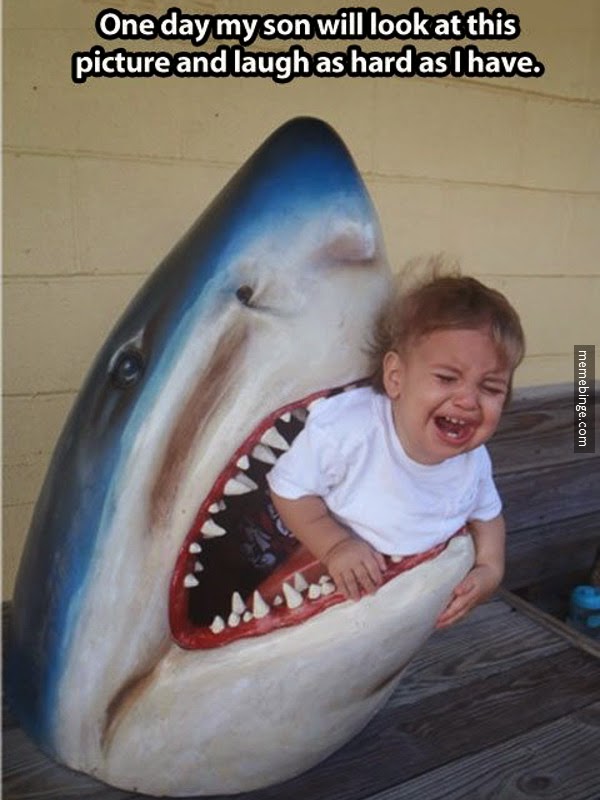
O.o
Humans: PUT them in there, it’s not my fault.
Originally shared by Meme Binge
Land Shark will getcha.
#funny #hilarious #humor #lol #lolz #lmao #lmfao #rofl #memes #memebinge #sharks
Looking for Google Plus tips & tricks?
Visit GPlus Followers Blog –> http://gplusflw.co/1qfskLB
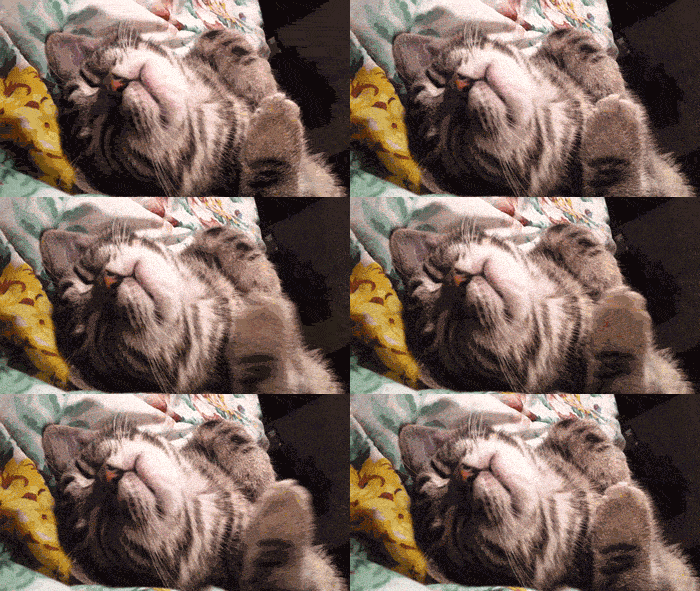
LET ME PLAY YOU THE SONG OF MY PEOPLE…..
Originally shared by Akansha Gautam
Cat Dreaming
Cat communication is the transfer of information by one or more cats that has an effect on the current or future behaviour of another animal, including humans. Cats use a range of communication modalities including visual, auditory, tactile, chemical and gustatory.
The communication modalities used by domestic cats have been affected by domestication.
Vocalizations
Cat vocalisations have been categorised according to a range of characteristics.
Schötz categorised vocalizations according to 3 mouth actions: (1) sounds produced with the mouth closed (murmurs), including the purr, the trill and the chirrup, (2) sounds produced with the mouth open and gradually closing, comprising a large variety of miaows with similar vowel patterns, and (3) sounds produced with the mouth held tensely open in the same position, often uttered in aggressive situations (growls, yowls, snarls, hisses, spits and shrieks).
Brown et al. categorised vocal responses of cats according to the behavioural context: (1) during separation of kittens from mother cats, (2) during food deprivation, (3) during pain, (4) prior to or during threat or attack behavior, as in disputes over territory or food, (5) during a painful or acutely stressful experience, as in routine prophylactic injections and (6) during kitten deprivation. Less commonly recorded calls from mature cats included purring, conspecific greeting calls or murmurs, extended vocal dialogues between cats in separate cages, “frustration” calls during training or extinction of conditioned responses.
Miller classified vocalisations into 5 categories according to the sound produced: the purr, chirr, call, meow and growl/snarl/hiss.
Purr
The purr is a continuous, soft, vibrating sound made in the throat by most species of felines. Domestic cat kittens can purr as early as two days of age. This tonal rumbling can characterize different personalities in domestic cats. Purring is often believed to indicate a positive emotional state, but cats sometimes purr when they are ill, tense, or experiencing traumatic or painful moments.
The mechanism of how cats purr is elusive. This is partly because cats do not have a unique anatomical feature that is clearly responsible for the vocalization. One hypothesis, supported by electromyographic studies, is that cats produce the purring noise by using the vocal folds and/or the muscles of the larynx to alternately dilate and constrict the glottis rapidly, causing air vibrations during inhalation and exhalation. Combined with the steady inhalation and exhalation as the cat breathes, a purring noise is produced with strong harmonics. Purring is sometimes accompanied by other sounds, though this varies between individuals. Some may only purr, while other cats include low level outbursts sometimes described as “lurps” or “yowps”.
Domestic cats purr at varying frequencies. One study reported that domestic cats purr at average frequencies of 21.98 Hz in the egressive phase and 23.24 Hz in the ingressive phase with an overall mean of 22.6 Hz. Further research on purring in four domestic cats found that the fundamental frequency varied between 20.94 and 27.21 Hz for the egressive phase and between 23.0 and 26.09 Hz for the ingressive phase. There was considerable variation between the four cats in the relative amplitude, duration and frequency between egressive and ingressive phases, although this variation generally occurred within the normal range.
One study on a single cheetah (Acinonyx jubatus) showed it purred with an average frequency of 20.87 Hz (egressive phases) and 18.32 Hz (ingressive phases). A further study on four adult cheetahs found that mean frequencies were between 19.3 Hz and 20.5 Hz in ingressive phases, and between 21.9 Hz and 23.4 Hz in egressive phases. The egressive phases were longer than ingressive phases and moreover, the amplitude was greater in the egressive phases.
It was once believed that only the cats of the genus Felis could purr. However, felids of the genus Panthera (tigers, lions, jaguars and leopards) also produce sounds similar to purring, but only when exhaling. The subdivision of the Felidae into ‘purring cats’ on the one hand and ‘roaring cats ’ (i.e. non-purring) on the other, originally goes back to Owen (1834/1835) and was definitely introduced by Pocock (1916), based on a difference in hyoid anatomy. The ‘roaring cats’ (lion, Panthera leo; tiger, P. tigris; jaguar, P. onca; leopard, P. pardus) have an incompletely ossified hyoid, which according to this theory, enables them to roar but not to purr. On the other hand, the snow leopard (Uncia uncia), as the fifth felid species with an incompletely ossified hyoid, purrs (Hemmer, 1972). All remaining species of the family Felidae (‘purring cats’) have a completely ossified hyoid which enables them to purr but not to roar. However, Weissengruber et al. (2002) argued that the ability of a cat species to purr is not affected by the anatomy of its hyoid, i.e. whether it is fully ossified or has a ligamentous epihyoid, and that, based on a technical acoustic definition of roaring, the presence of this vocalization type depends on specific characteristics of the vocal folds and an elongated vocal tract, the latter rendered possible by an incompletely ossified hyoid.
Meow
The meow is one of the most widely known vocalizations of domestic kittens. It is a call apparently used to solicit attention from the mother.
Adult cats commonly vocalise with a “meow” (or “miaow”) sound, which is onomatopoeic. The meow can be assertive, plaintive, friendly, bold, welcoming, attention soliciting, demanding, or complaining. It can even be silent, where the cat opens its mouth but does not vocalize. Adult cats do not usually meow to each other and so meowing to human beings is likely to be an extension of the use by kittens.
Read more : http://en.wikipedia.org/wiki/Cat_communication
#Cat #Caturday #Kitty #lolcats #catgif #CutenessOverload #CaturdayEveryday #CatLovers #CatsRule #lolz #laugh #CuteCat #Cats #catsofgoogle #catsofinstagram #catsofgoogleplus #catsoftheday #catsongoogleplus #catsonyoutube #catsongoogle #caturdayeveryday #caturday #caturday2014 #catitude #catlove #catloversworld #catslogic #catloversnetwork #Animals #HappyCaturday #Kitten #LOLCats #Meme #Anime #Caturday2014 #Cute #Funny #Gif #CatLovers #LOL #FunnyCats #FunnyPics #Caturday2014 #CatsAllOverTheWorld #OneCatADayKeepsTheDoctorAway #animallovers #cute #cuteanimals #cuteness #cutenessoverload #animaloftheday #gifoftheday #gifofthedayindeed #gifoftheweek
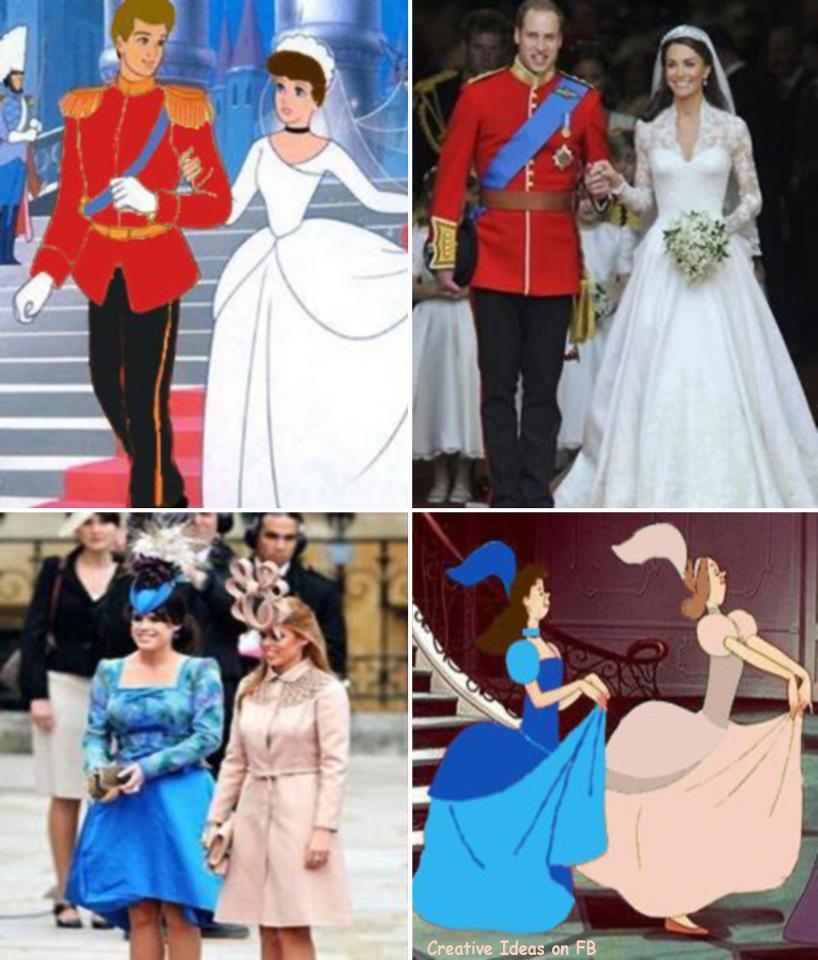
O.o
Originally shared by Creative Ideas
We all loved the Royal Wedding … but this is hillarious
Please Follow: Creative Ideas
#funny #lol #lolz #haha #humor #humoroftheday #hilarious #joke #jokeoftheday #funnyoftheday

Thanks, your camera was delishhhious…NOT.
Originally shared by Zbynek Kysela
Sharks don’t like paparazzi
#lol #shark #gif
Fun Shark Facts | Shark Facts!
Sharks can be fussy eaters. Sometimes they will take a bite out of their prey or just sink their teeth in to get a taste before they start really feeding. If they don’t like the taste, they spit it out and move on.
Like many mammals, including humans, sharks have a large heart with four separate chambers.
A shark attack on a human usually occurs in less than 6 feet 6 inches of calm water, and within a relatively short distance from shore.
Amanzimtoti Beach in South Africa is the most dangerous beach in the world for shark attacks.
The Megamouth shark is the rarest of the shark species. It was discovered in 1976.
Blue Sharks are the fastest sharks, reaching speeds of 43 mph, but only in short bursts. Their normal speed is 7 mph.
Experts believe that the whale shark may be capable of living up to 150 years, making it one of the longest-living creatures on Earth.
The smallest species in the shark kingdom is the dwarf shark, which averages at 4 inches long.
A shark’s skeleton is made of rubbery cartilage, like the tip of our noses.
The shark which is responsible for most shark bites is the nurse shark.
Many divers can’t resist the urge to pull this shark’s tail since it looks completely harmless and they end up getting bit.
Swell sharks received their name from their ability to swallow water and swelling up themselves to appear larger in the eyes of predators.
Sand Tiger Sharks are most active at night.
Bull Sharks are often captured for display in aquariums, as this is one of the few species of shark that survives well in captivity.
Sharks do not chew their food, they swallow it whole. If its too big, they tear it into chunks.
The jaws of bigger sharks are about twice as powerful as the jaws of a lion.
The hammerhead shark has the best sense of smelling.
Sailors on a Navy ship were the first to discover the Megamouth shark.
The most numerous sharks found in the ocean is the Oceanic Whitetip and the Spiny Dogfish Shark.
Bull Sharks have been seen swimming up the Mississippi River.
Shark meat has an unpopular image as food, so fish markets and chefs change the name of shark meat to rock salmon, rock eel, huss or flake.
Port Jacson Sharks lay eggs that look like a corkscrew which sticks to rock crevices.
Baby sharks are born with sharp teeth and the ability hunt right from the start.
Sharks can see almost as well behind them as they can in front.
Pigs kill more people every year than sharks do.
Basking sharks suck in more than 10,000 quarts of plankton-filled water an hour.
read more:

Thanks for the memories, Michelle…
Look at how cute and teeny I was!
Originally shared by Miss Kiw1 kozzhiart
#funny #funnygifs #animallovers
Baa baa Cak #lol
 Bruce Shark Swims